

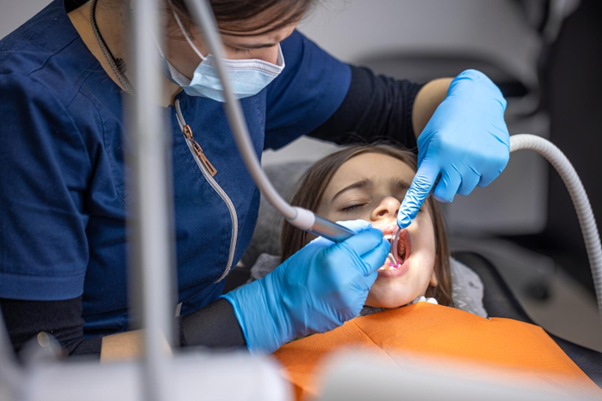
Dental emergencies can happen without warning, often bringing pain, discomfort, and uncertainty. Whether it is a sudden toothache, a broken tooth, or an injury caused by an accident, immediate attention is critical. Emergency dentistry plays a vital role in addressing urgent dental issues before they escalate into severe, long-term complications. Acting quickly not only relieves pain but also protects your oral health from irreversible damage.
Seeking emergency dental care at the right time can make the difference between saving and losing a tooth. Many patients delay treatment, assuming the problem will resolve on its own, but this often leads to worsening conditions such as infections, abscesses, or structural deterioration. Timely intervention ensures that minor issues are treated before they become major concerns.
Even if you regularly visit a Lake Mary Invisalign dentist for cosmetic or alignment treatments, it is equally important to understand how emergency services complement routine dental care. Emergencies require a different level of urgency and expertise, focusing on immediate relief and long-term preservation.
Understanding What Qualifies as a Dental Emergency
Not every dental issue requires immediate care, but certain conditions demand urgent attention. Recognizing these situations helps prevent delays that could lead to permanent damage.
Common dental emergencies include:
- Severe or persistent tooth pain
- Knocked-out or loose teeth
- Cracked, chipped, or broken teeth
- Dental abscess or swelling
- Bleeding that does not stop
- Lost fillings or crowns
Each of these conditions has the potential to worsen rapidly if left untreated. For example, a minor crack can deepen, exposing the inner pulp and leading to infection. Understanding the urgency of these situations ensures that you seek care at the right time.
Preventing Infection and Its Complications
One of the most critical roles of emergency dentistry is preventing infections from spreading. Oral infections can quickly move beyond the affected tooth and impact surrounding tissues, including the gums, jawbone, and even other parts of the body.
When bacteria enter the inner layers of a tooth, they can cause an abscess, a painful pocket of pus that requires immediate treatment. If ignored, this infection may spread to the bloodstream, leading to serious health risks.
Emergency dental treatment focuses on:
- Removing the source of infection
- Draining abscesses safely
- Prescribing appropriate medications
- Protecting surrounding teeth and tissues
By addressing infections early, we prevent complications that could require extensive procedures in the future.
Saving Natural Teeth Through Timely Intervention
Preserving natural teeth is always a priority in dentistry. Emergency care significantly increases the chances of saving a damaged or dislodged tooth.
For instance, a knocked-out tooth can often be reinserted successfully if treated within a short time frame. Similarly, quick action on a fractured tooth can prevent the need for extraction.
We emphasize that:
- Immediate care helps maintain tooth structure
- Early treatment reduces the need for complex restorations
- Preserving natural teeth supports long-term oral health
The sooner a patient seeks help, the better the outcome in terms of both function and aesthetics.
Reducing the Need for Extensive and Costly Treatments
Delaying treatment often leads to more complicated dental procedures. What begins as a simple issue may evolve into a condition requiring root canals, crowns, or even surgical intervention.
Emergency dentistry helps minimize these risks by addressing problems at their earliest stage. This not only reduces treatment complexity but also lowers overall costs and recovery time.
When we intervene early, we can:
- Prevent minor issues from escalating
- Avoid invasive procedures
- Preserve more of the natural tooth structure
This proactive approach benefits both your oral health and your long-term financial investment in dental care.
Protecting Overall Oral and Systemic Health
Oral health is closely connected to overall health. Untreated dental emergencies can have far-reaching effects beyond the mouth.
Infections and inflammation in the oral cavity have been linked to conditions such as cardiovascular disease, diabetes complications, and respiratory issues. By addressing emergencies promptly, we reduce the risk of these systemic impacts.
Emergency dentistry supports overall health by:
- Eliminating harmful bacteria
- Reducing inflammation
- Preventing the spread of infection
Maintaining a healthy mouth contributes to a healthier body, reinforcing the importance of timely care.
Managing Pain and Restoring Comfort Quickly
Pain is often the most immediate and distressing symptom of a dental emergency. Severe discomfort can interfere with eating, speaking, sleeping, and daily activities.
Emergency dentistry focuses on rapid pain relief through targeted treatments. Whether the cause is infection, trauma, or nerve exposure, addressing the root of the problem provides lasting comfort.
We ensure that patients experience:
- Immediate reduction in pain
- Relief from sensitivity and pressure
- Improved ability to function normally
Quick intervention not only resolves the issue but also restores quality of life.
Supporting Long-Term Dental Stability
Emergency care is not just about addressing the immediate problem; it also lays the foundation for long-term dental stability. Proper treatment ensures that the affected tooth and surrounding structures remain healthy and functional.
After an emergency procedure, follow-up care is essential to maintain results. This may include restorative treatments, regular check-ups, and preventive measures to avoid future issues.
By combining emergency intervention with ongoing care, we create a comprehensive approach that supports lasting oral health.
How to Respond Effectively to a Dental Emergency
Knowing how to act during a dental emergency can significantly influence the outcome. Quick and appropriate action helps protect the affected area until professional care is available.
Key steps to take include:
- Rinse the mouth gently with warm water
- Apply a cold compress to reduce swelling
- Preserve a knocked-out tooth in milk or saline
- Avoid using the affected side for chewing
- Seek professional care immediately
These measures provide temporary relief and prevent further damage while you arrange for treatment.
The Importance of Being Prepared
Preparation plays a crucial role in handling dental emergencies effectively. Having a plan in place ensures that you can act quickly and confidently when needed.
We recommend:
- Keeping your dentist’s contact information accessible
- Knowing the location of the nearest emergency dental clinic
- Maintaining regular dental visits to reduce risk
Being prepared reduces panic and allows for faster, more effective responses during urgent situations.
Acting Fast to Protect Your Smile
Emergency dentistry serves as a critical safeguard against long-term dental damage. By addressing urgent issues promptly, we protect natural teeth, prevent infections, and maintain overall oral health.
Timely intervention transforms potentially serious conditions into manageable situations, preserving both function and appearance. When faced with a dental emergency, taking immediate action is the key to ensuring lasting results and a healthy, confident smile.