

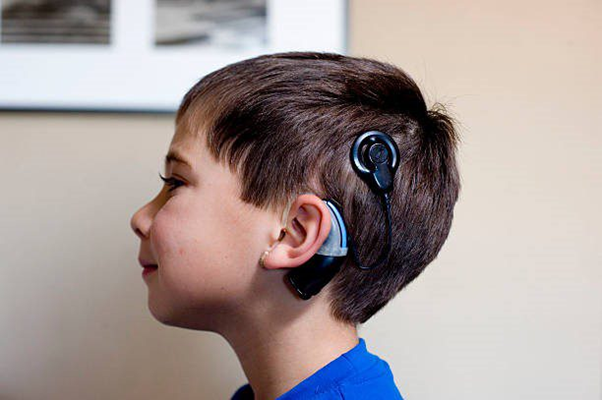
Severe hearing loss can significantly impact communication, education, and quality of life. For individuals who do not benefit from conventional hearing aids, cochlear implants offer a revolutionary solution. These advanced medical devices bypass damaged parts of the ear and directly stimulate the auditory nerve, enabling individuals to perceive sound in a completely new way.
For many patients, cochlear implant surgery becomes a life-changing intervention when other treatments are no longer effective. This procedure opens the door to improved hearing, enhanced communication, and greater independence.
Families often seek treatment at a trusted facility such as the best ENT hospital in Vadodara, where specialized expertise and advanced technology ensure safe procedures and optimal outcomes. With the right care and guidance, cochlear implants can transform lives and restore meaningful connections to the world of sound.
Understanding Severe Deafness
Severe to profound hearing loss occurs when the inner ear or auditory nerve is significantly damaged, preventing sound signals from reaching the brain effectively. This type of hearing impairment often makes it difficult to hear even loud sounds, and speech may become unclear or inaudible.
Causes of severe deafness include:
- Genetic conditions present at birth
- Infections such as meningitis or measles
- Prolonged exposure to loud noise
- Age-related degeneration
- Trauma or injury to the ear
Understanding the underlying cause helps determine whether a cochlear implant is the most suitable treatment option.
What Is a Cochlear Implant?
A cochlear implant is an electronic medical device designed to provide a sense of sound to individuals with severe hearing loss. Unlike hearing aids, which amplify sound, cochlear implants work by converting sound into electrical signals that directly stimulate the auditory nerve.
The device consists of two main components:
- An external processor that captures and processes sound
- An internal implant placed under the skin, connected to electrodes in the cochlea
This system allows sound signals to bypass damaged hair cells in the inner ear and reach the brain, where they are interpreted as sound.
How Cochlear Implants Work
Cochlear implants function through a sophisticated process that transforms sound into meaningful auditory information. The external microphone captures sound from the environment, which is then processed and transmitted to the internal implant.
The implant converts these signals into electrical impulses that stimulate the auditory nerve. The brain interprets these impulses as sound, allowing the individual to recognize speech and environmental noises.
Over time, the brain adapts to these signals, improving the ability to understand and interpret sounds more clearly.
Who Is a Candidate for Cochlear Implants?
Cochlear implants are recommended for individuals who have severe to profound hearing loss and receive limited benefit from hearing aids. Both children and adults can be candidates, depending on their specific condition and overall health.
Ideal candidates typically:
- Have significant hearing loss in both ears
- Struggle to understand speech even with hearing aids
- Are motivated to participate in rehabilitation
- Have no medical conditions that prevent surgery
A comprehensive evaluation is conducted to determine suitability and ensure the best possible outcome.
The Cochlear Implant Procedure
The surgical procedure for cochlear implants is carefully planned and performed under general anesthesia. It typically takes a few hours and involves placing the internal device beneath the skin behind the ear.
The surgeon creates a small opening in the bone to access the cochlea and inserts the electrode array. Once the implant is secured, the incision is closed, and the healing process begins.
After surgery, there is a recovery period before the external processor is activated. This activation marks the beginning of the patient’s journey toward improved hearing.
Recovery and Rehabilitation Process
Recovery from cochlear implant surgery is generally smooth, with most patients returning to normal activities within a short period. However, the real progress begins after the device is activated.
Rehabilitation is a crucial part of the process and includes:
- Auditory training to help interpret sounds
- Speech therapy to improve communication skills
- Regular follow-ups for device adjustments
This ongoing support ensures that patients gradually adapt to the new way of hearing and maximize the benefits of the implant.
Benefits of Cochlear Implants
Cochlear implants offer numerous advantages that significantly enhance quality of life. They provide access to sound for individuals who would otherwise experience limited or no hearing.
Key benefits include:
- Improved ability to understand speech
- Enhanced communication in social and professional settings
- Greater independence and confidence
- Access to environmental sounds for safety and awareness
For children, early implantation can support language development and academic success, making a profound difference in their future.
Challenges and Considerations
While cochlear implants offer remarkable benefits, it is important to understand that they require commitment and adaptation. The experience of hearing through an implant is different from natural hearing and may take time to adjust.
Some considerations include:
- The need for ongoing rehabilitation
- Regular maintenance and follow-ups
- Realistic expectations about outcomes
With proper guidance and support, most patients successfully adapt and experience significant improvements in their hearing ability.
Technological Advancements in Cochlear Implants
Advancements in technology continue to enhance the effectiveness of cochlear implants. Modern devices offer improved sound quality, wireless connectivity, and user-friendly features.
Innovations include:
- Advanced sound processing algorithms
- Bluetooth connectivity for seamless integration with devices
- Compact and discreet designs
- Enhanced durability and reliability
These developments make cochlear implants more accessible and effective than ever before.
The Role of Family and Support Systems
Support from family and caregivers plays a vital role in the success of cochlear implant treatment. Encouragement and involvement help patients stay motivated throughout the rehabilitation process.
Families can support by:
- Participating in therapy sessions
- Encouraging consistent device use
- Creating a supportive communication environment
This collaborative approach ensures that patients achieve the best possible outcomes.
A Life-Changing Solution for Severe Hearing Loss
Cochlear implants represent a powerful and transformative solution for individuals with severe deafness. By combining advanced technology with expert medical care, they restore access to sound and open new opportunities for communication and connection.
With proper evaluation, skilled surgical intervention, and dedicated rehabilitation, cochlear implants can significantly improve quality of life. For those facing the challenges of severe hearing loss, this innovative solution offers hope, independence, and a renewed sense of engagement with the world.